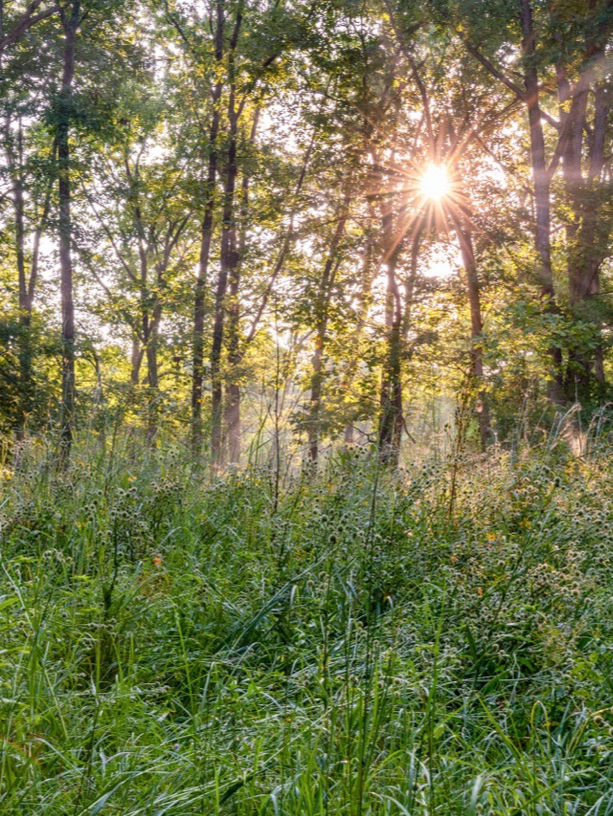
Photo: Courtesy of USFS

Photo: David Ray (landowner, L) Daniel Shaver (Indiana NRCS State Forester, R), Courtesy of NRCS
Working Lands for Wildlife: Frameworks for Conservation Action
Working Lands for Wildlife (WLFW) is the USDA NRCS’s leading effort to support the health, productivity, and wildlife of America’s working lands through voluntary, landowner-driven conservation.
To address priority threats to natural resources, NRCS created WLFW Frameworks for Conservation Action. Following core NRCS conservation planning principles, these strategies support locally led, coordinated efforts across multiple states. Frameworks represent the evolution of WLFW - win-win conservation that drives lasting, landscape-scale results for generations to come.
Map of the Eastern Deciduous Forest FRAMEWORK operational area
![DFF Operational Boundary CONUS[88].png](https://static.wixstatic.com/media/f0d946_c4791c713d204daaab68117c961d1c0f~mv2.png/v1/fill/w_948,h_570,al_c,q_90,enc_auto/DFF%20Operational%20Boundary%20CONUS%5B88%5D.png)
Working closely with the NRCS, collaborating organizations, and skilled Technical Service Providers (TSPs), this state-led, voluntary strategy is grounded in a shared vision: healthy forests tomorrow begin with sustainable forestry today. By providing science-based recommendations and resources, the DFF empowers states to focus investments where they will have the most impact and strengthens the ability of NRCS to deliver meaningful, landscape-scale results.
Using tested USDA Natural Resources Conservation Service (NRCS) forest management practices to address threats to forest health, the DFF advances the interests of private landowners while driving landscape-scale forest conservation.
The DFF advances these goals by recommending that states focus conservation efforts around two
key actions:
-
Identifying Landscape Conservation Priority Areas - Focusing planning and investment within state-identified priority geographies that include multiple ownerships strengthens and expands intact forest cores, helps minimize forest fragments, and enhances habitat for forest-dependent wildlife.
-
Addressing Stand Level Threats Across Ownerships - Applying proven, site-appropriate conservation practices in a strategic, coordinated, and sustained manner across ownership boundaries mitigates key threats, resulting in increased regeneration of desired forest communities, enhanced structural complexity, improved species diversity, and more efficient resource investment.
What is the DFF?

The DFF is guided by three interconnected goals:
-
Supporting private forest landowners in achieving their conservation objectives
-
Improving forest health for people, wildlife, and ecosystems by sustaining resilient, productive, and functional eastern deciduous forests
-
Delivering targeted, long-term conservation efforts that produce meaningful, landscape-scale outcomes across across the DFF Operational Area