

Dynamic Forest Restoration
Restoring Diversity and Resilience
Healthy forests are dynamic forests – complex systems shaped by the ecological dance between disturbance and succession. Many wildlife species depend on this dynamism, using different habitats during different stages of life. The science-led Dynamic Forest Restoration (DFR) approach restores the diversity and resilience of easter forests through landscape-scale management and conservation that mirrors the natural disturbances that once shaped this biome.
Photo: Courtesy of USFS
Individual Dynamic Forest Restoration Blocks (DFRBs), typically spanning thousands of acres, are managed to create a rich mosaic of young, middle-aged, mature, and late-successional forests. The result is healthier, more resilient forests that support landowners, communities, and biodiversity.

Photo: Courtesy of USDA NRCS
Photo: Courtesy of USDA NRCS

Innovation and Coordination
This forest conservation strategy was collaboratively developed by Indiana University of Pennsylvania, American Bird Conservancy, the Pennsylvania Game Commission, and the Pennsylvania Department of Conservation and Natural Resources with support from the National Fish and Wildlife Foundation. Together, they designed the approach, convened stakeholders, and coordinated implementation, resulting in a scalable model rooted in science and strengthened by partnership. DFR was created in response to a shared need – to move beyond isolated, stand-level efforts and address forest health challenges across entire landscapes.
Photo: Alex Levine, IUP RI
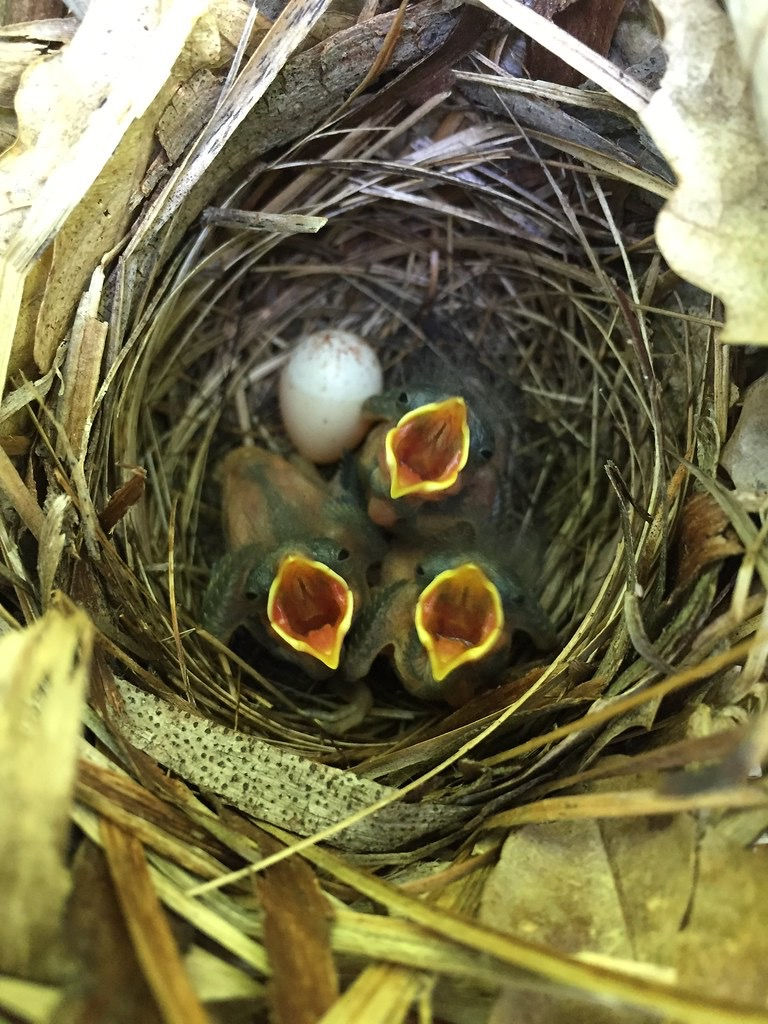
Healthier Forests for People and WIldlife
Dynamic Forest Restoration creates and improves habitat for forest-dependent wildlife, particularly species that rely on forests of different ages throughout their life cycles. Through the management of individual DFRBs, DFR creates a mosaic of forest conditions across large landscapes that supports at-risk species like the Golden-winged Warbler, Cerulean Warbler, Wood Thrush, Eastern Whip-poor-will, and Ruffed Grouse whether nesting, fledging, or migrating.
Photo: Renae Veasley, IUP RI
Dynamic Forest Restoration also identifies significant acreage for late successional forest management and reserve areas, ensuring that older forests and the species that depend on them remain integral parts of the landscape. At the same time, DFR supports sustainable timber production, promotes regeneration of desirable tree species, and improves conditions for pollinators, game species, and other wildlife. For landowners, states, and practitioners, this means healthier forests that deliver both ecological and economic value.

Photo: Alex Levine, IUP RI

Landscape-Scale Results
DFR is especially effective because it links science and forest management in an approach that is scalable. Select silvicultural practices are informed by research, implemented across ownerships, and evaluated through long-term monitoring and adaptive management to help ensure success. Alone or in combination with broader strategies like the Deciduous Forest Framework (DFF), Dynamic Forest Restoration provides a way for states, practitioners, and landowners to work together toward measurable, landscape-scale improvements in forest health.